Single
LEARN TICHU IN TWO MINUTES
Deal, exchange, play, score. Start here, then look up details when you need them.
Four players form two teams; partners sit opposite. Everyone gets 8 cards and decides whether to call Grand Tichu, then receives 6 more.
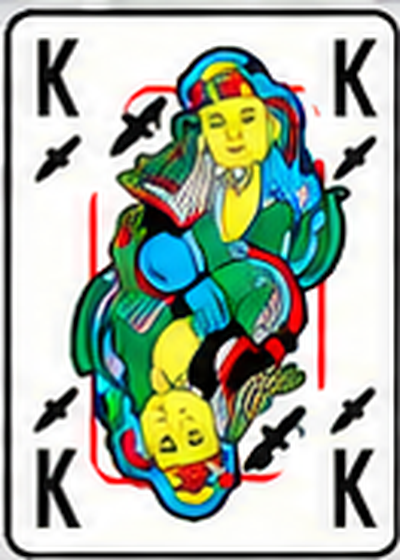
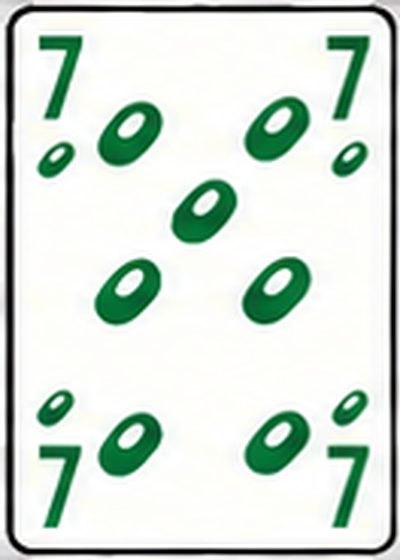
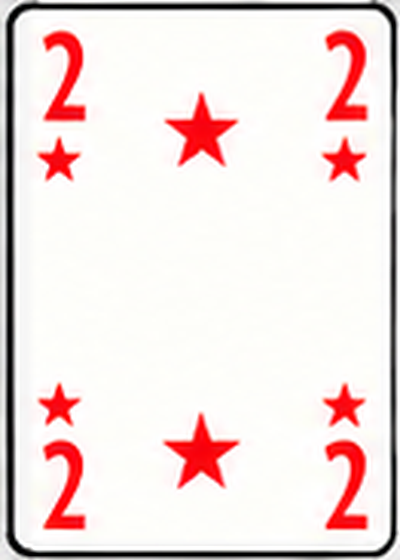
Pass one card to each of the other three players. After all four choose, reveal the exchange together; the Mahjong holder leads.
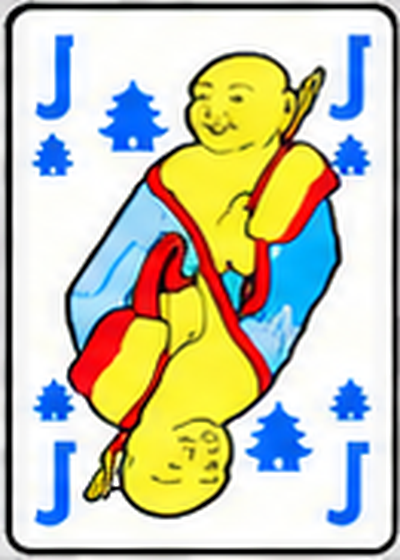
Beat the table with a higher play of the same type and size, or pass. On your turn, you must fulfill a Mahjong wish when you can legally play that rank. Bombs can interrupt.
The round ends as soon as the third player goes out. After scoring, a team wins once it leads with at least the match's target score — 1,000 points, or 500 for a short match; a tie plays another round.
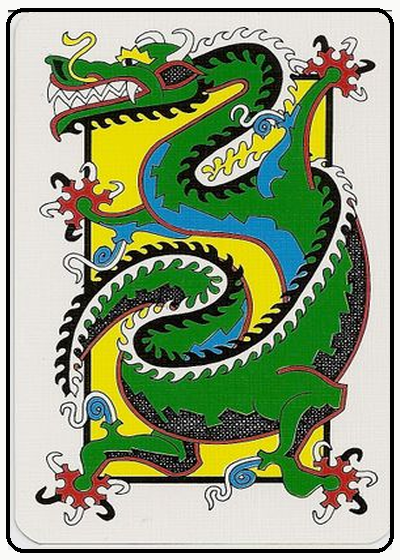
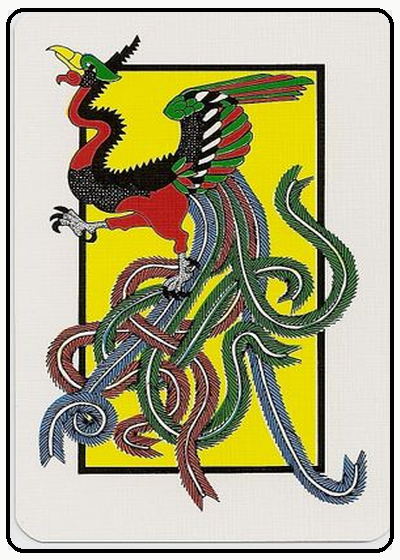
One quick exception: a team that finishes first and second scores 200 base points instead of counting card points. Tichu calls still apply.
Read the complete rulesTichu is a trick-taking game for exactly four players in two fixed partnerships. Whoever sits across from you is your partner for the whole match — partnerships are never rebalanced.
Four seats — South, East, North and West — sit around one table. South and North are one team; East and West are the other. Play passes to the right: South, then East, then North, then West, then back to South. A match is played to 1,000 points — or 500 in the short format — over as many rounds as it takes, with the same four seats and partnerships throughout.
Fifty-two ordinary cards — ranks 2 through Ace in four suits — plus four unique special cards: the Mahjong, the Phoenix, the Dog and the Dragon (see Special cards). Everyone is dealt 14 cards for the round.
On your turn, play a combination that beats the one currently on the table, or pass. See Card combinations for every legal play and Bombs for the one exception to normal turn order.
A round ends the instant three players have played every card in their hand — the fourth, last-place player stops immediately, mid-hand if need be. If the first and second player to finish are partners, that’s a double victory: their team scores 200 points outright, and no card points are counted that round. See Tichu calls & scoring for exactly how points add up.
After a round is fully scored, the highest-scoring team wins if either team has reached the match’s target score — 1,000 points in the classic format, 500 in the short format, chosen when the table was created. If the scores are tied, play another round.
Every decision has its own time limit — 30 seconds for most turns, 45 seconds for the card exchange, 20 seconds to choose who receives a Dragon trick — plus a shared 60-second reserve you can draw on once a decision’s own time runs out. Running out of both ends the match as a loss for your team: the server never guesses a card, a wish or a Dragon recipient on your behalf. If you’re disconnected, your clock keeps running while the service stays healthy, but reconnecting returns you to the same seat with your hand and remaining time intact.
A response must match the type and size of the combination it answers, and rank higher — suits never break a tie.
At least two pairs, back to back in rank.
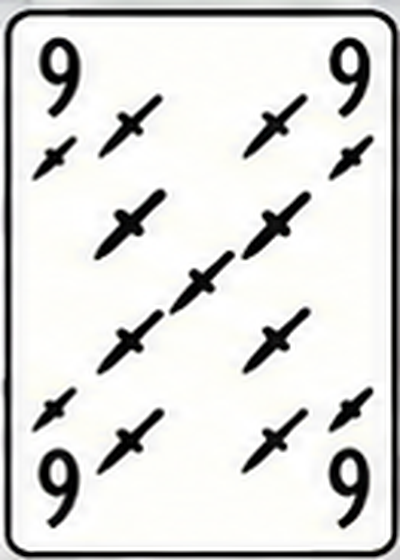
Ranked by its triple, not its pair.
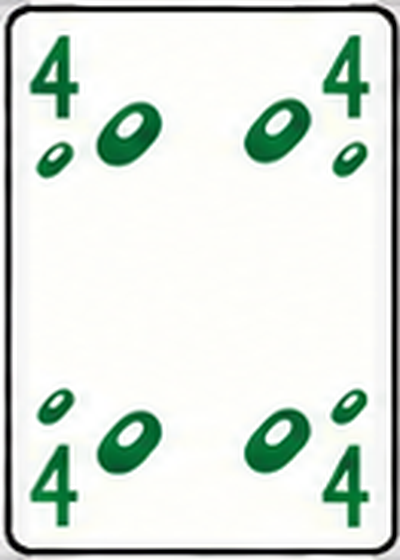
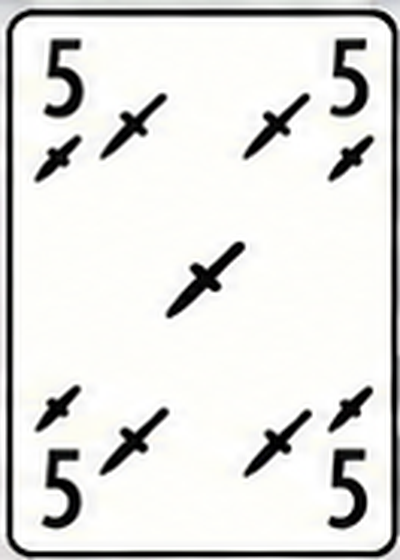
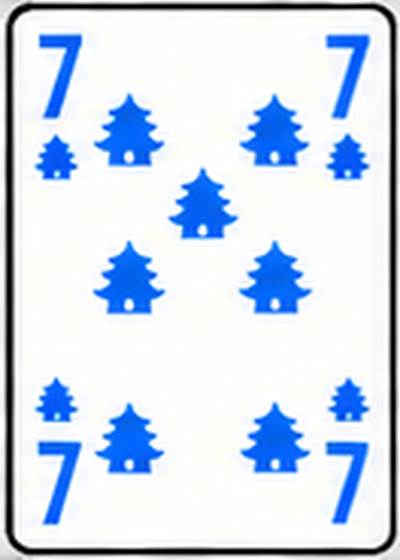
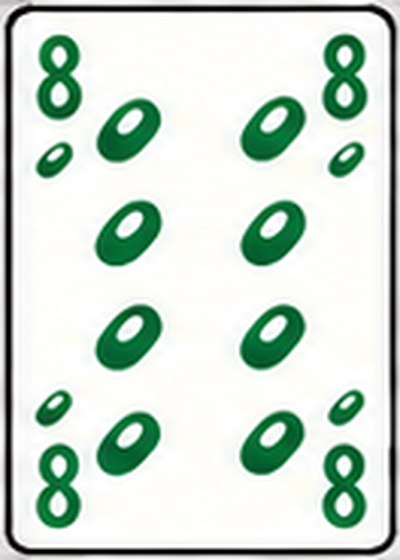
Five or more cards, consecutive rank, any mix of suits.
A bomb beats any ordinary combination and can be played even when it isn’t your turn, interrupting whoever would play next.
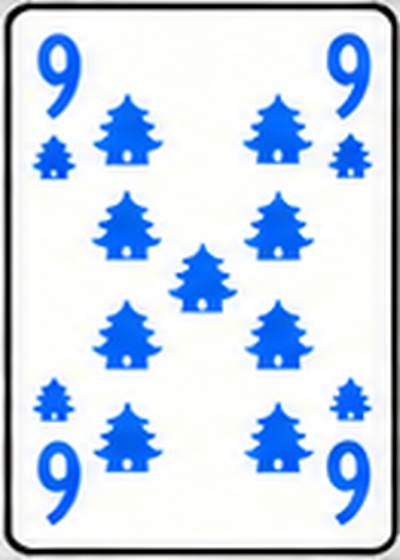
Beats any ordinary play and can interrupt out of turn.
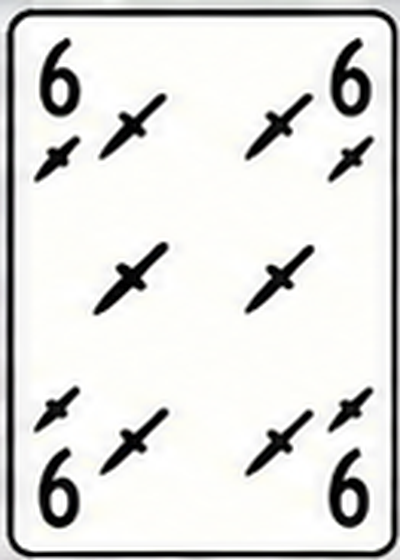
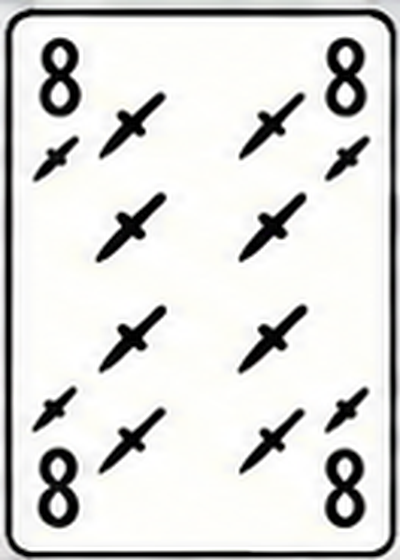
Five or more consecutive cards, one suit. Always beats a four-of-a-kind.
Opens the round and names a wish
Rank 1
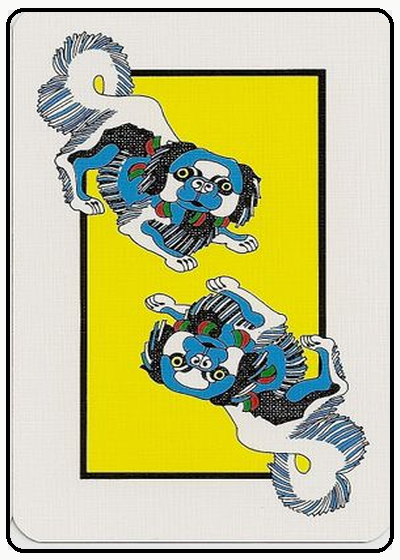
Hands the lead to your partner
No point value
A wildcard that costs your team
−25 points
The highest single card in the game
+25 points
Betting you’ll be the first of all four players to run out of cards. The call is yours alone — your partner finishing first doesn’t count as success — and it can’t be withdrawn or upgraded once made.
Any time before you play your first card of the round
Before you look at your last 6 cards, right after the first 8 are dealt
Card points total 100 across the whole deck. Outside a double victory, points come from tricks your team actually captured:
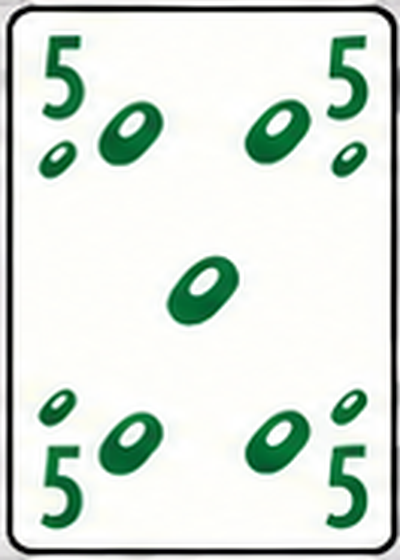 Each 5 (all suits) | +5 |
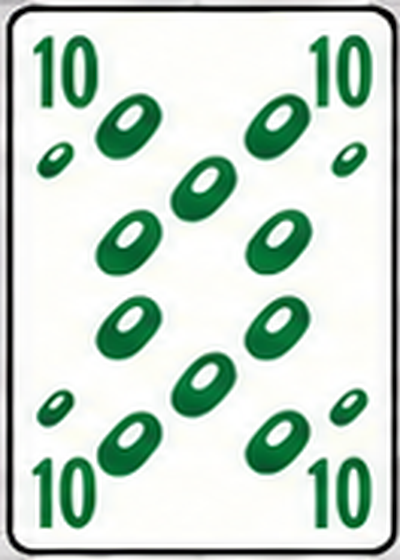 Each 10 (all suits) | +10 |
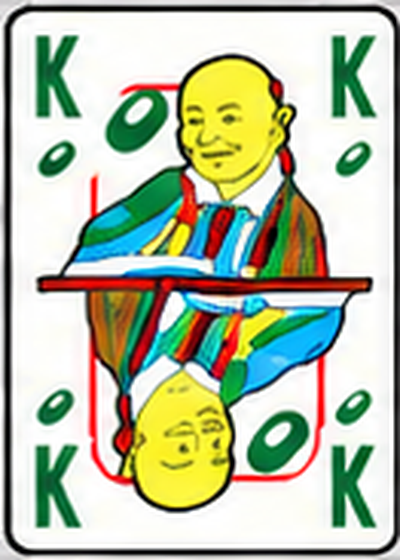 Each King (all suits) | +10 |
| Dragon | +25 |
| Phoenix | −25 |
The last-place player’s remaining hand, and any tricks they’d already won, pass to the team that finished first. A double victory (both members of one team finish first and second) is worth a flat 200 points instead of counting card points that round. Either way, Tichu and Grand Tichu bonuses or penalties are then added on top, independently.
The original ABACUS SPIELE quick-reference cards, for a one-glance summary.
Answers to the situations that come up once you’ve played a few rounds.
Yes. A bomb can interrupt the current trick at any time, from any seat, ahead of whoever would play next — it doesn't wait for the turn order.
Read the full ruleYes — a bomb can interrupt anyone's combination, including your partner's, if you'd rather your team keep the trick a different way.
No. The Dog doesn't create a trick to interrupt — it just hands the lead to your partner, and nothing can respond to it.
Read the full ruleA trick is only truly over once it has actually been collected. Online, this project resolves that moment with a brief, clearly-signaled window rather than turning it into a race against other players’ reaction times.
Publisher clarification, not spelled out in the basic printed rules.
More cards always wins — a straight flush of any length beats a four-of-a-kind. Between two bombs of the same kind, the higher rank (four-of-a-kind) or higher top card and longer run (straight flush) wins.
Only on your own ordinary turn, and only if you actually hold the wished-for rank and have a legal play that includes it. If you can, you must — you can't choose to play something else instead.
Read the full ruleYes. It stays active across tricks until the moment someone actually plays it.
On your ordinary turn, yes: if you hold the wished rank and can legally play it, you must include it — an Ace bomb can satisfy an Ace wish. A genuine out-of-turn bomb interrupt is exempt, but any bomb containing the natural wished rank clears the wish. If an out-of-turn bomb wins the trick without satisfying the wish, its player leads next and must then fulfill the wish if they can.
No — the Phoenix never counts as the wished rank on its own. You can still be forced to play a combination that includes the Phoenix, as long as that same combination also contains a real card of the wished rank.
The Dragon gift does not apply if a bomb beats it. The player who wins after any later bombs captures the trick normally.
Read the full ruleAny opponent the Dragon's owner chooses — never their own partner, and only when the Dragon actually wins that trick.
Read the full ruleNo. Both kinds of bomb are built entirely from natural cards.
Read the full ruleThe lead skips to the next player still in the round, in normal playing order, instead of stalling on an empty seat.
Read the full ruleNo. Whoever makes the call has to personally be the first of all four players to finish — a partner finishing first does not count.
Read the full ruleYes, right up until you play your first card — the exchange itself doesn't close the window.
Read the full ruleNo. Grand Tichu has to be called before your last 6 cards are dealt — once you have all 14, that option is gone for the round.
Read the full ruleNot as a direct response — a straight can only be answered by another straight of the exact same length, compared by its top card.
Read the full ruleNo — the triple and the pair have to be different ranks. Four of a kind plus the Phoenix can't be presented as a full house with itself.
Publisher clarification, not spelled out in the basic printed rules.
No — any run of five or more consecutive cards in one suit is always a straight-flush bomb. There's no option to play it as a plain straight instead.
Publisher clarification, not spelled out in the basic printed rules.
They pass to the opposing team at the end of the round.
Read the full ruleThe player who finished first — whichever team that is.
Read the full ruleNo — the flat 200 points replace the usual card-point count for that round, but any Tichu or Grand Tichu bonuses and penalties are still added on top, independently.
Read the full ruleThis page is a plain-language summary, not the complete rulebook. For the full official rules and tournament FAQ, see the publisher’s Tichu rules and FAQ (PDF). Quick-reference card images © ABACUS SPIELE, used with permission.